My younger brother David – Davey to us – lived for more than four decades with severe cerebral palsy. He communicated largely without spoken words. Yet when I think about the people who taught me most about communication, empathy and understanding another human being, Davey is at the top of the list.
Life with cerebral palsy was not easy for Davey, and caring for him was not easy for our family. My parents, Peter and Jenny, carried an enormous responsibility over many years. My siblings Mary, Leonie and Andrew shared that journey too, along with many carers and support workers. There were illnesses, uncertainty, exhaustion, difficult decisions and times when all of us wished life could have been easier for him.
But I would not erase Davey from my story, or the experience of growing up alongside him, even if I could.
Davey taught me to listen differently.
Because words were limited, you had to pay attention. His face, eyes, movements, sounds and behaviour could tell you when he was happy, frightened, frustrated, amused, uncomfortable or simply enjoying being with you. You could not rely on a conversation moving along neatly. You had to be present. You had to observe. You had to recognise emotion and respond to the person in front of you.
I think human beings are born with much more of that ability than we sometimes realise. As life becomes busy, we can start listening mainly to words and forget everything else a person is communicating. Davey made sure I never completely lost that other way of listening.
I did not know it at the time, but my brother was giving me an education in emotional intelligence.
That lesson has followed me through the rest of my life. In my professional work I have spent decades helping businesses and people with safety, risk, investigations, workplace culture and difficult human situations. I often sit with people after something has gone wrong. I listen to people who are distressed, uncertain, guarded or struggling to put an experience into words. I work with leaders who need to understand not only systems and procedures, but what is actually happening to the people inside those systems.
I would not do that work in the same way without Davey.
He taught me to notice the hesitation before an answer. To recognise when behaviour might be communicating something a person cannot easily say. To understand that dignity is not dependent on how fluently someone can speak, how independently they can move, what job they have or how easily the world understands them.
That is one of the things I most want people to understand about disability. If we focus only on what a person cannot do, we can miss what they contribute.
Davey contributed enormously to our family. He changed the way we communicated. He stretched our patience. He made us more observant. He taught us about vulnerability, responsibility, humour, frustration, loyalty and showing up for someone again and again. He influenced how I became a father, a professional, a friend and, eventually, a songwriter.
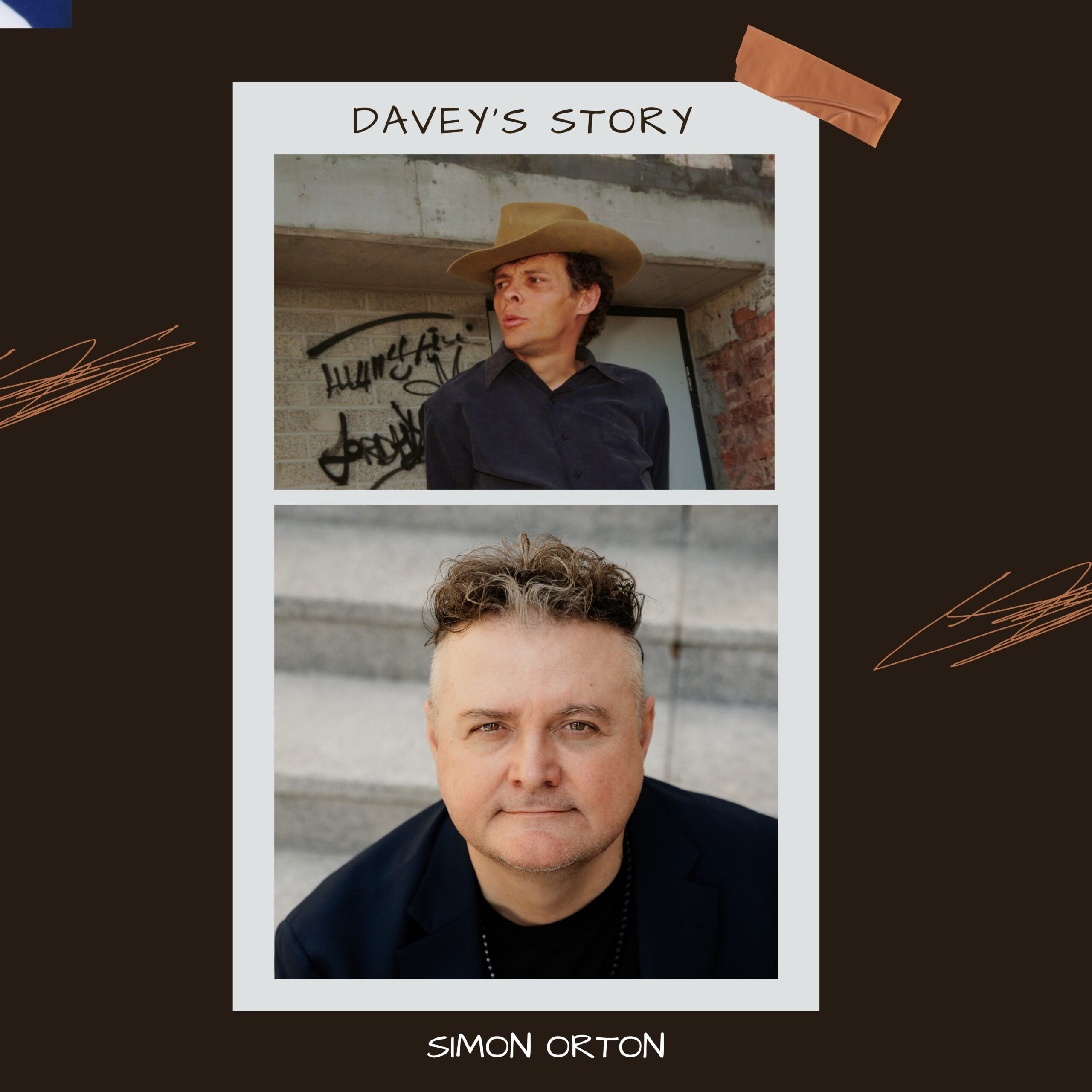
When I was about 12, I wrote a simple song for him. https://ditto.fm/davey-s-story I could not read or write music, so Dad helped transcribe the melody. Many years later, after Davey died, I returned to that song and rewrote it. It eventually became “Davey’s Story”, which I recorded as an adult.
The song “Davey’s Story” to be released on all streaming platforms is not meant to reduce his life to sadness. There was hardship, certainly, and losing him hurt. But when I think about Davey now, I increasingly think about what remains because he was here.
His influence is present when I slow down and genuinely listen to someone. It is there when I encourage a workplace to be more human. It is there when I remind a leader that the person behind a procedure or incident report has a story. It is there when music helps someone put language around grief or pain.
For me, that is part of what World Cerebral Palsy Day can celebrate: not simply awareness of cerebral palsy, but recognition of the individuality, relationships, influence and contribution of people living with CP.
Davey was my little brother. He needed a great deal from the people who loved and cared for him. But he also gave a great deal back.
I would not be where I am today without him. And some of the most important lessons he taught me were taught without saying a word.